Recent Market Volatility
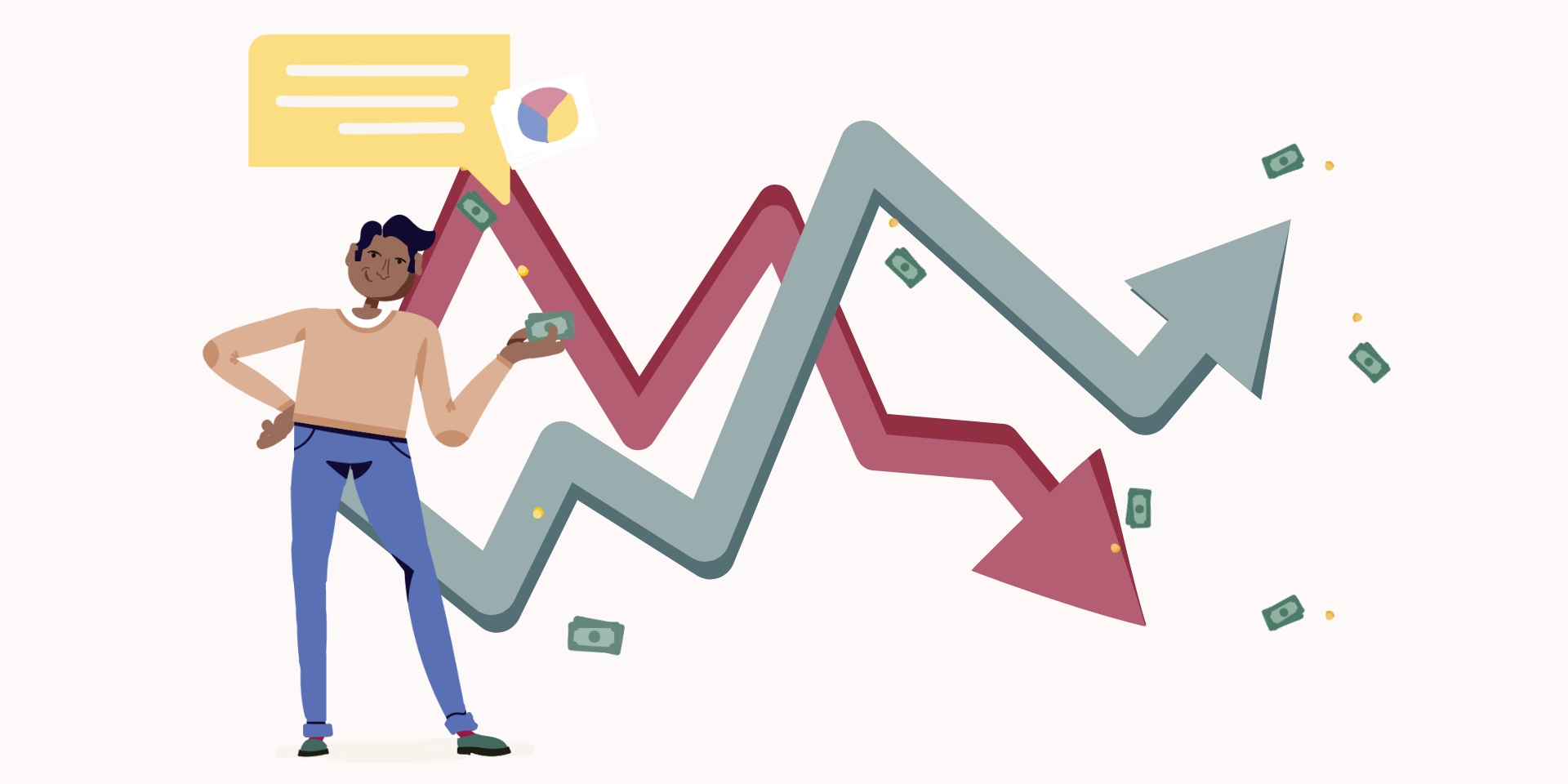
Is it just me (thinking this) or do you also think that markets seem more volatile these days? More on this later!
The most recent market panic induced tantrum (volatility) was caused by a number of things:
The reversal of Japan’s carry trade.. what I hear you cry? Let me explain… A carry trade is simply where an investor borrows money in a currency with low interest rates and invests that money in higher yielding assets elsewhere, (note: Japan until a week or so ago had a negative interest rate policy (NIRP) since 2016)(1).
Although it is difficult to assess the size of Japan’s carry trade, some analysts say that it could total as much as $4 trillion(2). The money raised was invested in a range of assets including Bitcoin, Mexican bonds (yielding over 10%) and US tech firms such as Alphabet, Amazon, Apple, Meta, Microsoft, Nvidia and Tesla(3).
The Bank of Japan raised interest rates to 0.25% on 31 July and indicated that it would undertake a programme of quantitative tightening over the next 2 years(4). This led to the Yen strengthening against the US dollar making the carry trade less attractive. Alongside this US Nonfarm payroll data was released showing that the US labour market had weakened, raising fears of recession and calls for the Federal Reserve (FED) to reduce interest rates. In turn weakening the dollar and helping to make the carry trade less appealing and more risky.
The rate rise in Japan and the fear of recession in the US led to the Nikkei suffering its biggest fall since 1987 whilst shares on Wall Street, London and in other global markets sold off. Bitcoin fell 17%. In part caused by traders (along with general nervousness about a looming recession) selling assets to repay loans with Japanese banks(5).
For the moment markets seem to have settled with Austan Goolsbee, the president of the Chicago Fed, telling CNBC that the US economy did not appear to be entering recession.
Which leads me to the question posed at the beginning of this blog. Are markets more volatile these days?
Although it feels like it I’m not altogether sure that they are. Unlike 20/30 years ago when our updates generally came via the 9 o’clock news we’re now fed a constant barrage of information into our inboxes and social media feeds. Still, even after all of these years (of both slow and quick information) it has never ceased to amaze me that many professional market forecasters and pundits can change their views on a sixpence.
Here’s two examples:
- CNBC (5 August) Wharton’s Jeremy Siegal(6) says FED needs to make an emergency rate cut
- CNBC (8 August) Wharton’s Jeremy Siegel backs off on calls for an emergency rate cut
I’m so pleased he decided to share his considered opinion with the world!
This blog is for information purposes and does not constitute financial advice, which should be based on your individual circumstances.
(1) World Economic Forum
(2) CNBC
(3) Bloomberg
(4) BOJ
(5) Charles Schwab
(6) Jeremy Siegal is Professor Emeritus of Finance at University of Pennsylvania